
In today’s ever-evolving business landscape, effective leadership remains a fundamental cornerstone of organizational success. And, while every company must decide how best to foster and nurture this essential asset, there are primarily only two strategies for cultivating leadership: recruit external talent or develop leaders from within. Both approaches have distinct strengths and weaknesses, and organizations must carefully consider which best aligns with their goals and mission.
At first glance, external recruitment may seem like a quick and easy solution. Many of its advantages are easy to identify: The applicant pool is larger, brings new ideas and a fresh perspective, and boasts more experience at the leadership level. There are clearly times when external leadership recruitment is preferable to hiring from within. For example, external hires are better when an organization is growing rapidly, needs new subject matter expertise, or lacks the bandwidth to develop young leadership. Growing organizations can quickly exhaust their internal talent pools before they’ve successfully invested in their talent acquisition processes.
Additionally, leadership roles that require a specific expertise lacked by the company’s internal candidates should be sourced externally. This could be for a role that requires technical knowledge, such as chief information officer (CIO), or that is critical when breaking into a new industry or category. Lastly, organizations that lack the bandwidth to invest in leadership development are often forced to hire from the outside out of necessity, a solution that is effective in the short term but leaves the company unprepared in the future.
On the other hand, the strategic advantages of developing leaders within an organization are less intuitive but equally important. Hiring internally develops organizational culture, improves employee retention and engagement, and enhances organizational agility.

Internal Hiring Develops Organizational Culture
Organizational culture is the collective set of beliefs, values, and behaviors that shape the identity and direction of a company. A strong culture is the glue that binds employees together and provides a framework for making decisions. It influences employee behavior, performance, and retention, and it is pivotal to long-term success. In fact, companies with a positive employee culture perform four times better than the market.1
Internal leadership development plays a crucial role in shaping and reinforcing organizational culture. When leaders are cultivated from within the organization, they bring a deeper understanding of the company’s values, traditions, and history. This intrinsic alignment fosters a sense of continuity and authenticity that resonates throughout the organization. As a result, internal leadership development not only becomes a means of building individual capability but also serves as a vehicle for strengthening the fabric of the organization itself.
Satya Nadella’s rise to CEO at Microsoft is a powerful example of how internal leadership development can shape an organization’s culture. Joining the company in 1992 as a software engineer, Nadella rose through the ranks and eventually assumed the CEO position in 2014. Under his leadership, Microsoft experienced a profound cultural transformation, embracing a growth mindset and an increased focus on collaboration and innovation. Nadella’s deep understanding of Microsoft’s culture and history enabled him to navigate the complexities of the organization while at the same time reawakening the company to its original culture of growth and experimentation.2 Today, Microsoft is widely regarded as a leader in cloud computing and artificial intelligence, thanks in no small part to Nadella’s leadership and the cultural transformation he spearheaded.

Internal Hiring Fosters Employee Engagement
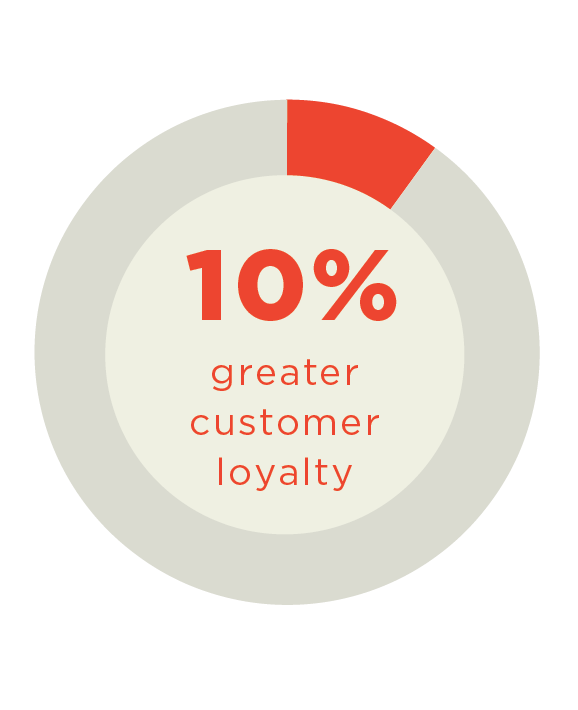
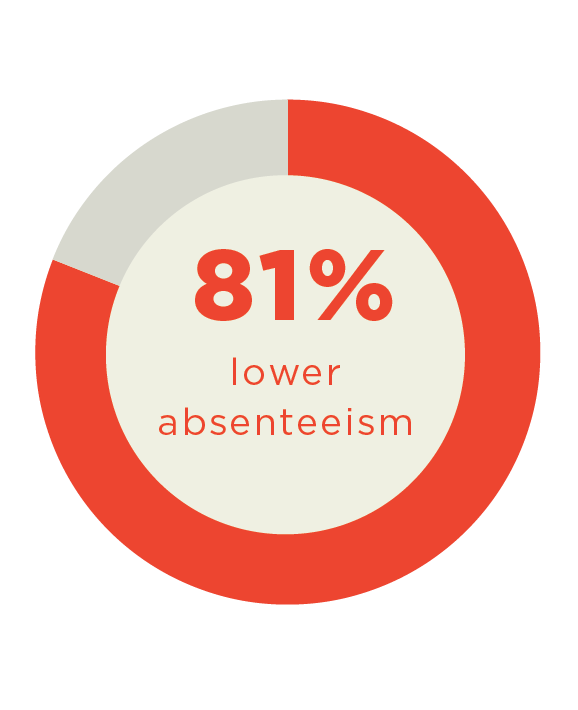
Employee engagement is another critical factor contributing to organizational success, as engaged employees are more likely to demonstrate higher levels of commitment, creativity, and productivity. Companies in the top quartile of employee engagement achieve 23 percent higher profitability, 10 percent greater customer loyalty, and 81 percent lower absenteeism compared to those in the bottom quartile.3 Internal leadership development plays a crucial role in fostering employee engagement and retention by providing opportunities for growth, development, and advancement. It turns the employee-organization relationship from transactional to mutually beneficial. When employees see a clear path for career progression within the organization, they are more likely to remain committed and engaged over the long term. Additionally, internal leaders who have experienced career growth within the company serve as role models and mentors for their colleagues, further reinforcing a culture of engagement and development.

Mary Barra’s tenure as CEO of General Motors (GM) offers a compelling case study on how internal leadership development can positively impact employee engagement and retention. Barra began her career at GM as an intern in 1980 and steadily climbed the ladder, eventually assuming the CEO position in 2014. Under her leadership, GM prioritized employee empowerment and innovation, which ultimately led to a resurgence in product quality and market competitiveness.
Barra’s commitment to developing internal talent came from her realization, while working in human resources, that the success of every company comes from its people.4 She has been credited with revitalizing GM’s corporate culture and driving employee morale and performance. Today, GM is recognized as a leader in automotive technology and innovation due to Barra’s leadership and the culture of engagement she has fostered within the organization.

Internal Hiring Improves Organizational Agility
Finally, companies that can adapt quickly to changing market conditions and seize emerging opportunities are better positioned for long-term success. Research has shown that agile organizations outperform their competitors in terms of revenue growth, profitability, and market share.5 For example, Amazon’s relentless focus on innovation and experimentation has enabled it to disrupt multiple industries and maintain its position as a market leader.
Internal leadership development plays a crucial role in fostering organizational agility by equipping leaders with the skills, knowledge, and mindset needed to navigate complexity and change. When leaders are developed from within the organization, they have a deeper understanding of its operations, culture, and strategic priorities. This insider perspective enables them to make informed decisions quickly and adapt their strategies in response to changing market conditions. Additionally, internal leaders who have experienced career growth within the company are more likely to be invested in its long-term success, leading to greater alignment and cohesion across the organization.
Tim Cook’s tenure as CEO of Apple Inc. serves as a strong example of how internal leadership development can enhance organizational agility. Cook joined Apple in 1998 and served in various operational roles before assuming the CEO position in 2011. Under his leadership, Apple has navigated numerous market disruptions, including shifts in consumer preferences and technological advancements. Cook’s intimate knowledge of Apple’s internal workings and culture has enabled the company to innovate rapidly and maintain its competitive edge. Today, Apple is recognized as a leader in consumer electronics and technology, thanks in part to Cook’s leadership and the organizational agility he has fostered within the company.
Conclusion
Internal leadership development represents a strategic imperative for organizations seeking to maximize their potential and thrive in today’s dynamic business environment. By cultivating and nurturing leaders from within, companies can strengthen their organizational culture, foster employee engagement and retention, and enhance organizational agility. Current executives such as Satya Nadella, Mary Barra, and Tim Cook demonstrate the transformative impact of internal leadership development on organizational success. As stewards of organizational excellence, leaders who have risen through the ranks are uniquely positioned to drive long-term value creation and competitive advantage. By embracing internal leadership development as a strategic priority, organizations can unlock their full potential and position themselves for sustained success in an increasingly complex and uncertain world.
Sources:
- 100 Best Companies to Work For in 2024 Deliver ‘Staggering’ Business Performance. (2024, April 4). Retrieved from Great Place to Work
- Berger, C. (2024, May 20). Satya Nadella transformed Microsoft’s culture during his decade as CEO by turning everyone into ‘learn-it-alls’ instead of ‘know-it-alls’. Retrieved from Fortune
- Harter, J. (2017, April 12). Employee Engagement vs. Employee Satisfaction and Organizational Culture. Retrieved from Gallup
- Jiang, S. (2022 , April 13). General Motors CEO Mary Barra shares her leadership journey, visions for the future. Retrieved from The Michigan Daily
- Denning, S. (2024, February 26). Why The World’s Most Valuable Firms Are So Agile. Retrieved from Forbes
